HPHT vs CVD Diamonds: The Lab-Made Sparkle Everyone’s Talking About
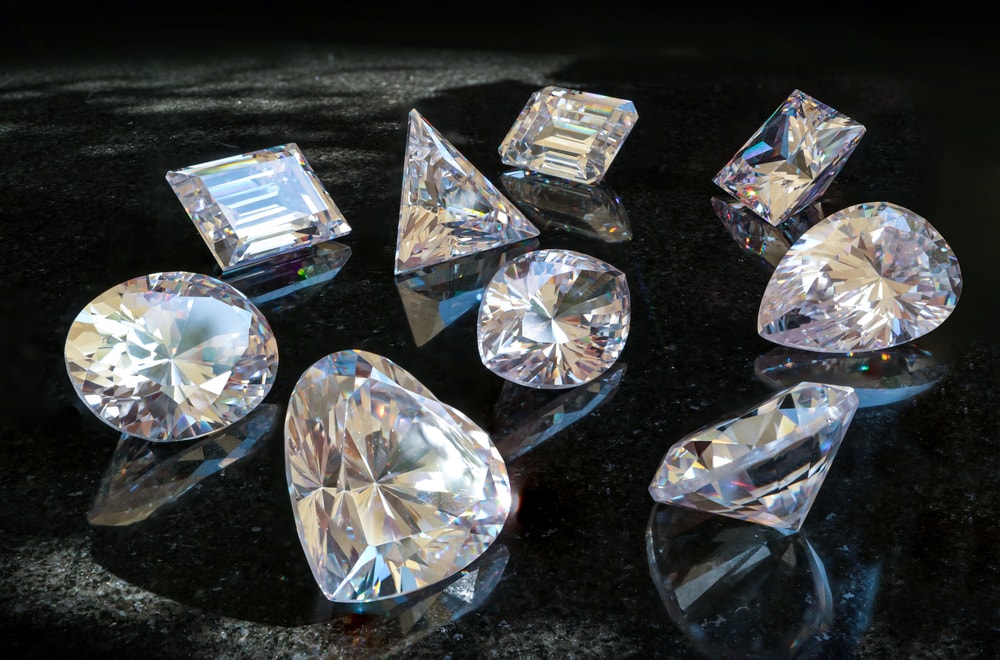
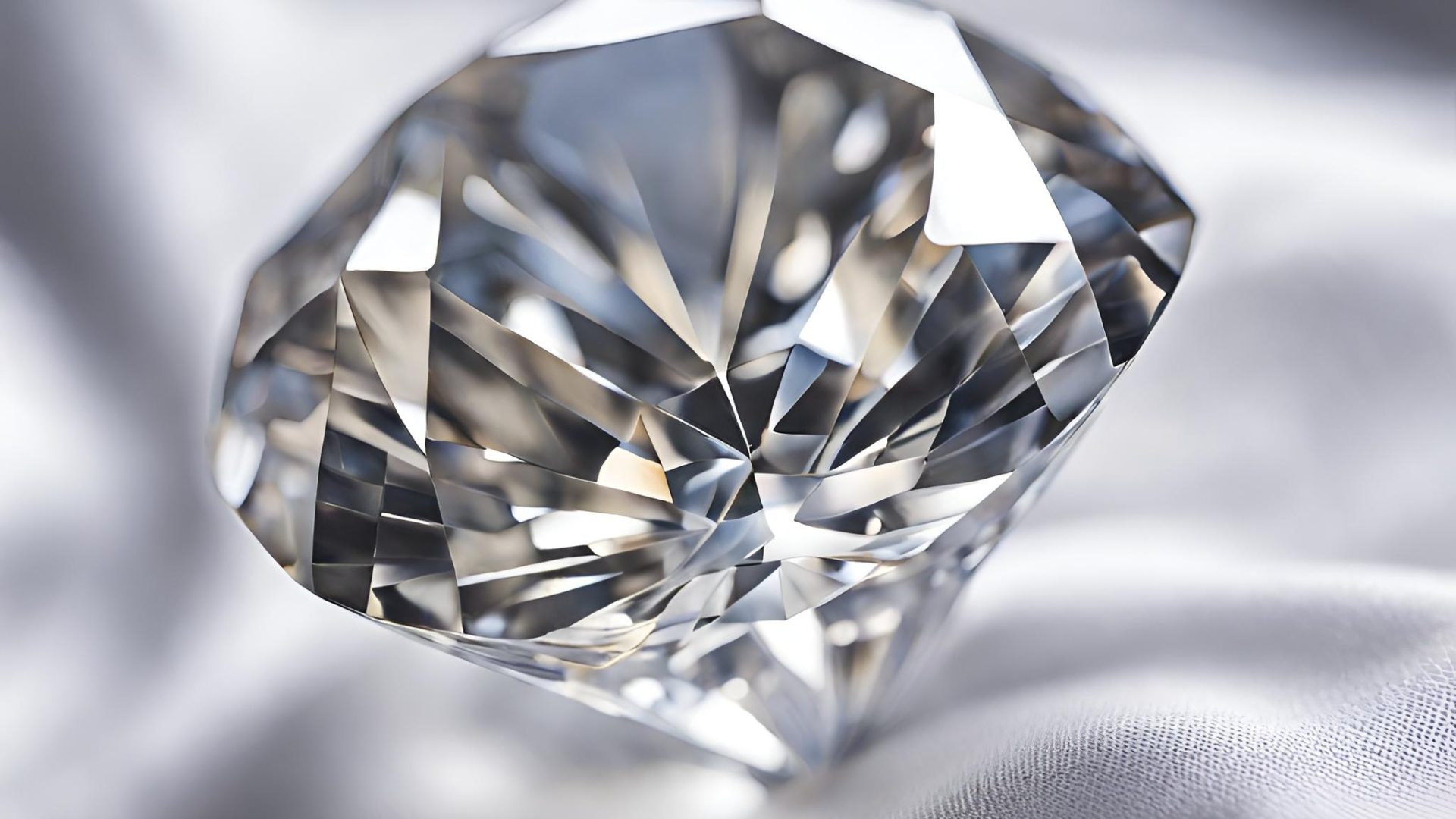
These days, you’ll hear people dropping terms like HPHT vs CVD diamonds at brunch like they’re talking about oat milk versus almond milk. It sounds technical, sure. But really, it’s just two ways of making lab made diamonds—beautiful, sparkling, real diamonds that didn’t spend millions of years hiding in the Earth.And if you’re already thinking, “Wait, lab made diamonds? Are they even real?”—yep, they are. 100%. Let’s dive in.
Why People Care in the First Place
Think about it. Diamonds have always had this aura. They’re the ultimate “forever” symbol. But along with that came mining, ethical debates, environmental worries, and, honestly, some shady business practices. Not exactly the kind of love story people want tied to their engagement ring.
Enter lab made diamonds. The science-y but surprisingly romantic alternative. No digging holes the size of football fields, no “blood diamond” whispers at dinner parties. Just pure carbon crystals grown in a controlled environment.
And here’s where the fun starts. Two main methods exist: HPHT (High Pressure High Temperature) and CVD (Chemical Vapor Deposition). They sound like something out of a chemistry class you probably zoned out in—but they’re basically two different recipes for cooking up sparkle.
HPHT vs CVD: What’s the Deal?
Alright, picture this.
HPHT Diamonds
HPHT diamonds are like pressure cookers. Scientists recreate the insane conditions deep in the Earth—crazy pressure, super-high heat—and boom, carbon atoms bond into a diamond crystal. Old-school method, been around since the 1950s.
CVD Diamonds
CVD diamonds are more like slow-baked soufflés. They use a gas chamber, release carbon molecules, and carefully layer them onto a seed crystal. The result? A diamond that literally grows in front of your eyes. Kind of sci-fi, honestly.
Both give you real diamonds. But each has its quirks. HPHT diamonds sometimes show a yellowish tint because of nitrogen trapped inside. CVD diamonds? They can come out a little brownish at first but usually get treated to look perfectly white.
So which one’s “better”? Depends who you ask. Some jewelers swear by the consistency of CVD. Others love the toughness of HPHT. At the end of the day, you probably wouldn’t know the difference unless you’re a gemologist with a fancy loupe.
Trends: Why Everyone Suddenly Wants Them
It’s not just about being ethical. Or affordable (though, let’s be honest, paying 30–40% less for the same sparkle is nothing to sneeze at). It’s also about choice.
Here’s why people are falling for lab made diamonds right now:
- Bigger bling for the buck. That two-carat ring you thought was out of reach? Suddenly, it’s on your finger.
- Eco-friendly vibes. If you’re the type who recycles religiously and shops local, this just makes sense.
- Custom everything. Want a peachy-pink diamond for your engagement? Lab makes that easier than Mother Earth ever did.
- Zero guilt. No awkward questions about sourcing or ethics. Just compliments on how much it sparkles.
And honestly, in a world where everything’s getting personalized—Spotify playlists, coffee orders, even sneakers—it feels natural that jewelry is too.
Local Flavor: Why It Matters Where You Are
Here’s the thing. Depending on where you live, the buzz around lab made diamonds feels totally different.
Global Vibes
In New York or London, it’s about fashion-forward choices.
Cultural Values
In places like Hong Kong or Singapore, it’s often tied to cultural values of smart spending and family pride.
I’ve even heard friends joke: “Why spend a fortune on something that literally grows in a lab the same way it grows underground?” And honestly, they have a point.
Some jewelers even advertise HPHT vs CVD diamonds side by side, almost like you’re picking between wine varietals. Do you want the bold, earthy Cabernet (HPHT) or the refined, smooth Pinot Noir (CVD)? Both get you tipsy, both are great—it’s just a matter of taste.
How It Works: A Quick Walkthrough (Without the Lab Coat)
Don’t worry, I won’t bore you with all the physics. But here’s the 101 version.
The Seed
Both methods start with a tiny sliver of diamond—like planting a seed in soil.
The Environment
HPHT blasts it with ridiculous heat and pressure. CVD puts it in a chamber with carbon-rich gas.
Growth
Atoms attach, layer by layer. The seed crystal expands into something big enough to cut into jewelry.
Finishing Touch
Once it’s grown, it gets cut, polished, and graded just like a mined diamond. No shortcuts there.
And just like that—voilà. You’ve got a sparkling rock ready to propose with.
Pretty wild when you think about it.
The Bottom Line
At the end of the day, the whole HPHT vs CVD diamonds debate isn’t about which one’s “real” (spoiler: they both are). It’s about what matters to you. Price? Clarity? Story? For some people, the romance lies in Earth’s natural chaos. For others, it’s the beauty of science making something timeless.
Either way, lab made diamonds aren’t just a passing trend. They’re here to stay. And maybe—just maybe—they’re redefining what “forever” really means.