Why a Home Aquarium Might Be the Perfect Addition to Your Pet-Loving Household
When most people think about adding a pet to their family, dogs and cats immediately come to mind. But there’s another type of companion that offers unique benefits while complementing rather than competing with your existing furry family members: an aquarium filled with vibrant aquatic life.
For households that already cherish the companionship of pets, aquariums provide an entirely different dimension of enjoyment. They bring the calming beauty of underwater ecosystems into your home, offer educational opportunities for children, and create mesmerizing focal points that guests can’t help but admire.
The Unique Benefits Aquariums Bring to Pet-Loving Homes
Stress Reduction That Benefits All Family Members
Research consistently demonstrates that watching fish swim reduces stress, lowers blood pressure, and promotes feelings of calm. The gentle, flowing movements of fish, combined with the soft sound of filtering water, create a meditative focal point.
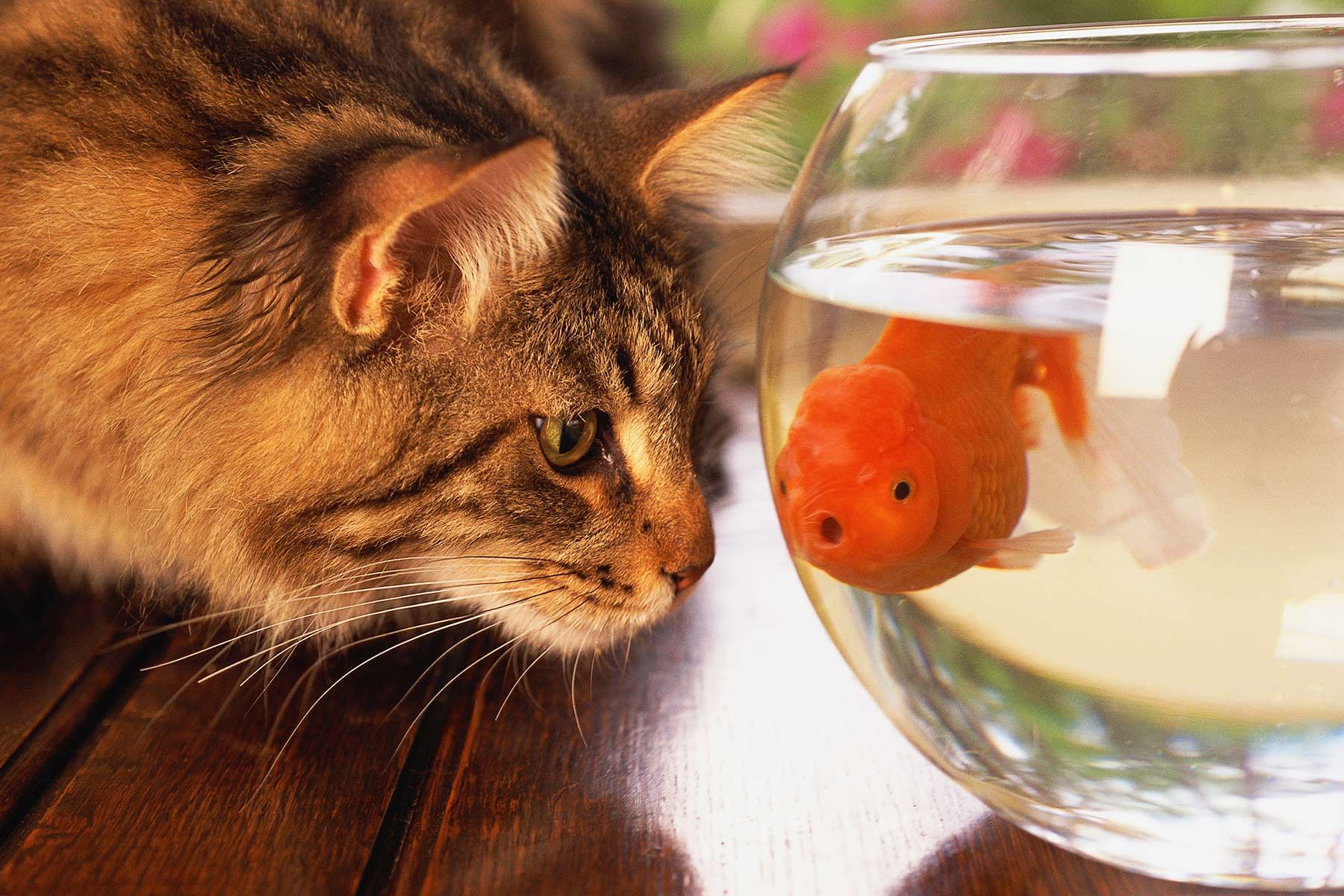
For Dogs and Cats: Many dogs and cats find aquariums fascinating in positive ways. The movement captures their natural hunting instincts without creating frustration. Many cats spend peaceful hours watching fish swim, providing mental stimulation. Dogs, particularly anxious breeds, often find aquariums calming—especially during storms or when left alone.
Entertainment Value Without Additional Work
Unlike adding a second dog or cat, aquariums provide entertainment with relatively low maintenance once properly established.
Key Advantages: No potty training or litter boxes, no barking or meowing, no furniture scratching, minimal daily care (feeding takes seconds), and no separation anxiety.
Educational Opportunities for Children
If your children are learning responsibility through caring for dogs or cats, an aquarium extends these lessons:
Science and Biology: Hands-on learning about aquatic ecosystems, water chemistry, fish anatomy and behavior, the nitrogen cycle, and species compatibility.
Responsibility Building: Consistency in feeding schedules, observation skills, patience, and problem-solving.
Aesthetic Enhancement
While we love our dogs and cats, they don’t always enhance home décor. Aquariums, by contrast, actively beautify your space as living art—a constantly changing display of color, movement, and light.
Architectural Integration: Modern aquariums can be built into walls between rooms, designed as coffee tables, mounted as living artwork, or incorporated into kitchen islands.
Social Connection and Conversation Pieces
When visitors enter a home with an aquarium, it immediately draws attention. Unlike dogs that might jump on guests or cats that might hide, aquariums engage visitors without overwhelming them. They’re perfect for households where some guests have pet allergies or fear of dogs.

Practical Considerations for Multi-Pet Households
Safety: Keeping Fish Safe from Curious Pets
For Households with Cats: Heavy fitted glass tops prevent cats from fishing. Stable stands ensure cats can’t knock over tanks. Most cats quickly understand the tank is off-limits and settle into peaceful watching.
For Households with Dogs: Position aquariums away from high-traffic areas or at heights above tail-swinging range. Secure lids prevent drinking concerns. Train dogs that certain areas are off-limits.
Space Planning
Strategic Placement: Living rooms work beautifully as focal points. Home offices provide calming background ambiance. Bedrooms offer peaceful viewing before sleep.
Avoid: Kitchens (temperature fluctuations), direct sunlight locations, high-traffic hallways.
Size Considerations: Starter sizes (20-30 gallons) are manageable. Medium sizes (40-75 gallons) provide impressive impact. In homes already accommodating pets, starting with a 30-40 gallon aquarium allows you to test interest before making larger investments.
Maintenance Realities
Daily Tasks (5 minutes): Feed fish, quick visual check, ensure equipment is running.
Weekly Tasks (15-30 minutes): Partial water change (10-25%), algae wiping, check water parameters.
Monthly Tasks (30-60 minutes): Filter cleaning, thorough algae cleaning, plant trimming, equipment inspection.
Aquarium maintenance averages 30-60 minutes weekly once established—less than daily dog walks but requiring more expertise than feeding cats.
Cost Considerations
Initial Setup: $450-$4,000+ (tank, stand, filtration, heater, lighting, substrate, livestock, supplies)
Ongoing Costs: $40-$100 monthly (electricity, water conditioner, food, filter media)
Compared to Dogs: Dogs cost $50-$300 monthly for food, plus veterinary care ($300-$1,000+ annually). Annual dog costs typically exceed $1,000-$3,000+.
Compared to Cats: Cats cost $50-$150 monthly, plus veterinary care. Annual costs typically run $800-$1,500+.
Aquariums, while requiring upfront investment, typically cost less long-term than additional dogs or cats.
Choosing the Right Aquarium Type
Freshwater vs. Saltwater
Freshwater Aquariums (best for beginners): Lower initial cost, simpler maintenance, more forgiving of mistakes, wider range of hardy species. Popular options include community tanks with colorful tropical fish, goldfish tanks, planted tanks, and cichlid tanks.
Saltwater Aquariums (for experienced aquarists): Stunning visual impact with vibrant colors, unique species, engaging coral reef possibilities, but higher costs and more complex water chemistry.
Recommendation: For multi-pet households new to aquariums, starting with freshwater makes sense.
Size Matters
Counter-intuitively, larger tanks are often easier to maintain than small ones due to greater water volume stability.
Practical Minimums: 20-30 gallons for good starter size, 40-55 gallons for flexibility, 75+ gallons for excellent stability.
Design Aesthetics
For those serious about creating stunning aquascapes, professional custom aquarium design provides expertise that transforms vision into reality. Professional designers understand not just fish keeping but interior design integration, ensuring your aquarium complements your home’s aesthetic while providing optimal conditions for aquatic life.
Integrating Aquariums into Your Existing Pet Routine
Creating Peaceful Coexistence
Initial Setup Period: Run the tank for 4-6 weeks before adding fish, allowing your dogs and cats to habituate to the tank’s presence. When introducing fish, supervise your other pets’ initial reactions. Reward calm behavior near the tank.
Long-Term Management: Feed your aquarium away from dogs and cats’ feeding times, establish consistent maintenance schedules, and periodically ensure pets haven’t developed problematic behaviors.
Vacation Considerations
Short Absences (2-4 days): Fish can typically go without feeding for several days.
Longer Trips (5-14 days): Use automatic feeders, feeding blocks, or pet sitters already coming for dogs/cats.
Compared to dogs requiring daily care and cats needing daily litter box cleaning, fish are the most forgiving for short-term absences.
Common Concerns and Questions
“Won’t My Cat Knock Over the Tank?”: With proper setup, this is extremely unlikely. Aquariums weigh hundreds of pounds when filled (a 30-gallon tank weighs 250+ pounds). Proper stands are stable and wide-based.
“Will My Dog Drink the Water?”: Some dogs try initially. Use secure lids, train “leave it” commands, and provide fresh water nearby. Most dogs quickly lose interest.
“Don’t Fish Have Diseases That Could Affect My Other Pets?”: Fish diseases are species-specific and pose zero risk to mammals.
“How Do I Handle Feeding Multiple Pets?”: Fish feeding takes 30 seconds and is the easiest of all pet additions.
Making the Decision
Green Lights: You already enjoy caring for living things, appreciate calm visual beauty, have appropriate space, budget accommodates $500-1,000 initial setup plus $50-100 monthly, interested in learning about aquatic ecosystems.
Yellow Lights: Very limited space, young destructive dogs still in training, very tight budget, already overwhelmed with pet care.
Red Lights: Active dislike of animal care, unstable housing situation, zero interest from household members, expectation that fish require no care.
Taking the First Steps
- Research Thoroughly: Learn about the nitrogen cycle, specific species, equipment options, and ongoing maintenance needs.
- Plan Your Space: Identify where an aquarium would work considering structural support, electrical access, distance from windows, and safety from other pets.
- Set Your Budget: Determine realistic initial and ongoing budgets.
- Start with Expert Guidance: Professional guidance prevents expensive mistakes, especially for first aquariums.
- Begin Conservatively: Start with a mid-sized tank (30-40 gallons), freshwater setup, hardy fish, and simple equipment.
The Joy of Multiple Pet Types
Pet-loving households that add aquariums often discover unexpected joy in the diversity: different interaction styles (dogs provide active companionship, cats offer independent affection, fish provide peaceful observation), varied teaching opportunities for children, complementary stress relief, and social breadth through different pet communities.
Many households discover that rather than being “just a fish tank,” aquariums become beloved family features that complement and enhance the experience of living with beloved dogs and cats.