6 Things to Check Before You Buy Dog Food Online
Buying dog food online has become the default for most owners, mainly because it is far easier to compare brands than it is standing in front of a shelf. That convenience comes with a catch though: it is just as easy to add a bag to your cart based on clever packaging as it is to choose one that actually suits your dog. Before you buy dog food online, run through these six checks first.
1. Check the Life Stage Statement
Do not assume any bag labelled “dog food” is suitable for your dog. Check the packaging for a statement confirming the food is “complete and balanced” for a specific life stage, since this single line tells you whether the formula has actually been tested against recognised nutritional standards, rather than simply marketed as healthy.
Match the formula to where your dog actually is in life. Puppies need higher protein and fat to support rapid growth. Adult dogs generally do best on a maintenance formula suited to their size and activity level. Senior dogs often benefit from a lower calorie diet with added joint support, since their metabolism slows down and mobility can become a concern.
If you have a large breed puppy, check the calcium and phosphorus levels specifically, since these need to be tightly controlled to support healthy bone development. Small breeds, on the other hand, tend to need smaller kibble and more calorie dense formulas due to a faster metabolism.
2. Check What Is Actually in the Ingredient List
Do not stop at the front of the packet. Turn straight to the ingredient list, since ingredients are ordered by weight and the first few tell you what the food is mostly made from. Look for a named animal protein, such as chicken, salmon or beef, sitting at the top.
Be wary of vague terms like “meat meal” or “animal derivatives”. These are not automatically harmful, but they make it much harder to know exactly what your dog is eating.
Do not assume grain-free is automatically the healthier option either. Grains such as brown rice and oats can be a perfectly good source of energy and fibre for many dogs. Check for quality and proportion rather than ruling out an entire ingredient category on principle.
3. Check the Guaranteed Analysis, Not Just the Marketing Claims
Look past words like “premium” or “natural” on the front of the bag and check the guaranteed analysis panel instead. This lists minimum protein and fat percentages alongside maximum fibre and moisture content.
Compare this panel across two or three brands on a like for like basis before deciding. A genuinely higher quality formula usually shows up here, in the numbers, rather than in the language used to sell it.
4. Check Whether Wet, Dry or a Combination Suits Your Dog
Do not default to dry food purely out of habit. Dry kibble is convenient and cost effective, and it has a longer shelf life once opened, which makes it practical for most households. Wet food tends to be more palatable and has higher moisture content, which helps dogs that do not drink much water on their own or need encouragement to eat.
Check whether your dog falls into a group that tends to do better with at least some wet food included: dogs recovering from illness, older dogs with dental issues, and fussy eaters are the most common cases. A combination of kibble as the everyday base and wet food as a topper works well for many households.
5. Check for Signs of a Food Sensitivity Before You Commit to a Bag
Do not assume every itch, loose stool or bout of excessive gas is unrelated to diet. Chicken, beef, dairy and wheat are among the more frequently reported triggers for food sensitivities in dogs. Persistent itching, ear infections and digestive upset are the main signs to watch for.
If you suspect a sensitivity, check with a vet and work through an elimination diet rather than guessing at random alternatives. Limited ingredient diets and single protein source formulas are useful here, since they make it easier to isolate the ingredient actually causing the reaction.
6. Check the Retailer, Not Just the Product, When You Buy Dog Food Online
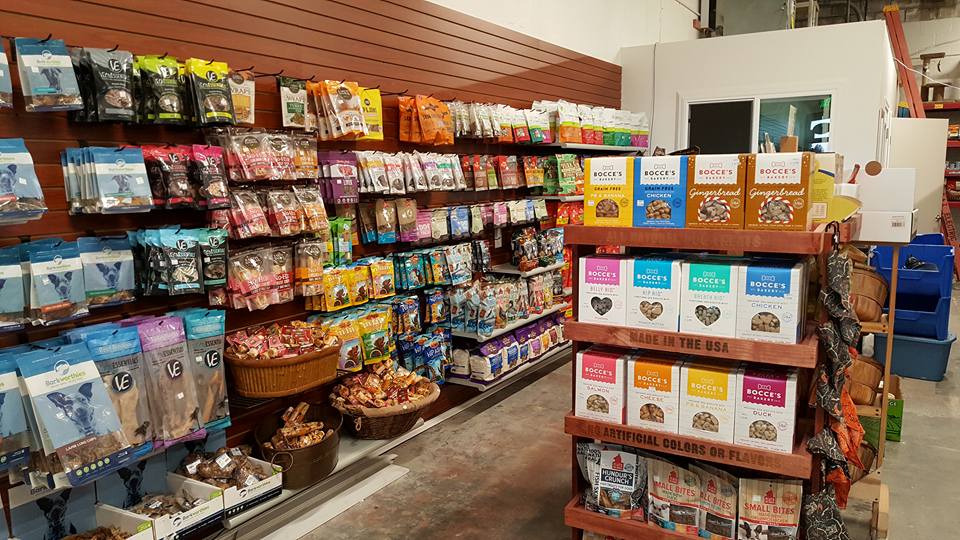
This is the check most owners skip, and it matters just as much as the ones above. A good online pet store should offer a genuinely wide selection across life stages, breed sizes and dietary needs, rather than a narrow range dressed up as variety.
Check that stock is rotated properly and that expiry dates are clearly stated, since dry food in particular can lose nutritional value if it sits in a warehouse too long. Check, too, that product descriptions and ingredient information are detailed enough to judge a formula before it arrives, and that customer reviews are visible rather than hidden or cherry picked.
Retailers such as Superpets Singapore structure their catalogue around exactly these factors, organising formulas by life stage, breed size and specific dietary requirement, so owners can browse dog food online without having to cross-reference multiple sources just to check whether a product is appropriate.
One More Thing: Switch Gradually
Once you have chosen a new food, do not switch overnight. Introduce it gradually over seven to ten days, mixing in more of the new food and less of the old every two to three days, starting at roughly a 25 percent new to 75 percent old ratio. Switching too quickly is one of the most common causes of an upset stomach in dogs, and it can undo an otherwise good choice of food.
Final Thoughts
None of these checks take more than a minute or two, but together they do far more for your dog’s health than chasing whichever bag happens to be on promotion. Check the life stage, check the ingredients, check the numbers, check for sensitivities, and check the retailer just as carefully as the product. Get those right, and buying dog food online becomes a genuinely better option than guessing on a shelf.